
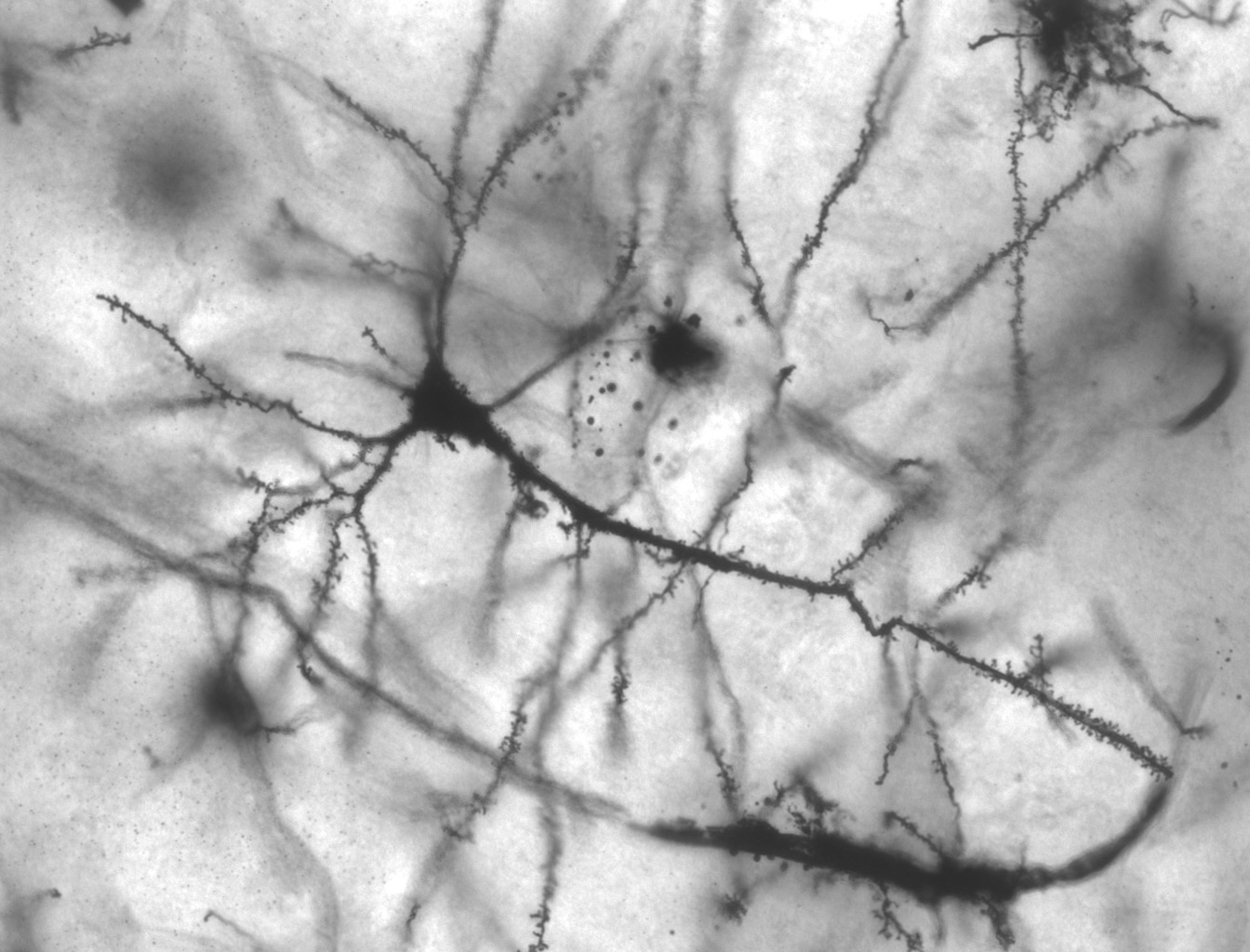
Veterinary neurology for cats and dogs is surprisingly similar to our own. In fact, much of the early research in human neurology is based on canine research findings. Symptoms in your dog or cat can include pain, problems as coordination, weakness in the limbs and seizures among other neurological disorders.
The Veterinary Referral and Emergency Center Neurology Service provides comprehensive neurological care for patients with disorders of the central and peripheral nervous system. Our neurologists can assess pets needs with a wide range of electrodiagnostic and imaging methods. These tools help us evaluate your pet’s central nervous system including the brain, spinal cord and nerves.
The Neurology Service works cooperatively, not only with your primary care veterinarian, but with other VREC services, including emergency, critical care, internal medicine, and surgery, should your pet need an enhanced evaluation, diagnostic testing, treatment, or procedures performed. This team approach allows each patient to benefit from the collective experience, all whilst keeping your primary care veterinarian involved. As always, the entire staff of VREC is dedicated to offering the finest service to their patients and clients. Veterinary Referral and Emergency Center is located in Clarks Summit Pennsylvania, and provides neurology services in the surrounding areas of Scranton, and other northeastern Pennsylvania, New Jersey, and New York communities.
Magnetic Resonance Imaging (MRI)
VREC has an on-site, high-field MRI unit available 24 hours a day to assure a quick and accurate neurologic diagnosis. All imaging modalities are digitized and DICOM compatible for detailed viewing and rapid distribution to your veterinarian(s).
VREC is among a very limited number of private veterinary referral hospitals in the nation, which provide a neurological service with the aide of on-site MRI. This requires no additional travel on your part, as well as one anesthetic event for all diagnostics and surgical intervention, if warranted.
Appointment Time
Even before your pet’s first scheduled appointment, your primary care veterinarian will have provided the most current medical records, including information about any diagnostic tests that have been performed. This review of the records, tests and results will not only allow a current assessment of your pet, but comparison of previous examinations and diagnostics.
Once at VREC, you and your pet will be welcomed by one of our referral coordinators. Appropriate paperwork and questionnaires will be supplied for your completion. After being placed in an examination room, a veterinary technician will take a complete medical history and acquire vital signs. Dr. Yates will then complete a thorough neurological examination and discuss any findings with you. Please provide adequate time, minimally one hour, for the examination and discussion, as not to cause any conflict in your schedule. Diagnostic tests, if required, may take up to 3-4 hours or longer, pending the location/severity of an abnormality.
Interpretation of most diagnostic test results are performed on-site, therefore quicker results, same-day diagnosis and treatment is often achieved. Upon discharge from the hospital, great care is taken to ensure continued comfort is maintained at home. Printed discharges will be provided to you, as well as your primary care veterinarian, and your pet’s medications can be filled eliminating any unnecessary visits to a pharmacy on the way home.
Re-evaluation appointments will be scheduled as necessary, per individual patient need. Even after your pet has been discharged from the hospital, we are always available for questions about any procedure, disease, and/or medication(s). We are available 24/7/365, to answer your questions. Phone call updates on your pet’s progress are welcomed and encouraged.
Specialized services to diagnose and/or treat the following are provided by VREC’s Neurology Service
Common Medical Conditions:
- Diagnosis and multimodal treatment of idiopathic
and cryptogenic epilepsy and other causes of seizures - Meningitis/encephalitis of unknown etiology (MUE)
- Chiari-like malformation/Syringomyelia
- Intracranial, spinal, and peri-spinal neoplasia
- Congenital abnormalities/anomalies of brain and
spinal cord - Degenerative disease of the brain and spinal cord
- Vascular events to the brain
- Fibrocartilaginous emboli
- Head trauma
- Spinal trauma/fracture
- Intervertebral disc disease (protrusion, chronic
extrusion, or concussive extrusion) - Vestibular disease (central and peripheral)
- Intractable pain
- Wobbler’s Syndrome (Cervical spondylomyelopathy)
- Discospondylitis
- Otitis media/interna
- Spondylosis deformans
Common Neurosurgical Procedures:
- Hemilaminectomies
- Intervertebral disc disease (acute extrusion or
acute-on-chronic extrusion) - Ventral slot decompression
- Dorsal laminectomies (dorsal, modified-dorsal,
and lateral) - Atlantoaxial stabilization
- Lumbosacral decompression
- Foramen magnum decompression
- Craniotomies/craniectomies
- Muscle and Nerve biopsy